
Interior design today is about creating spaces that are visually appealing, functional, and built to last. Whether it's a luxury home, a modern office, or a premium retail showroom, every design element contributes to the overall experience. Among these elements, the decorative surface plays a crucial role in defining the style, texture, and personality of an interior. From elegant wood grains to sophisticated matte finishes, decorative surfaces help transform ordinary spaces into extraordinary environments.
With advancements in material technology, homeowners, architects, and interior designers now have access to a wide range of decorative surface solutions that combine aesthetics with performance. These surfaces not only enhance the visual appeal of furniture and walls but also improve durability, resist daily wear, and simplify maintenance. As a result, they have become an essential part of modern residential and commercial interior design.
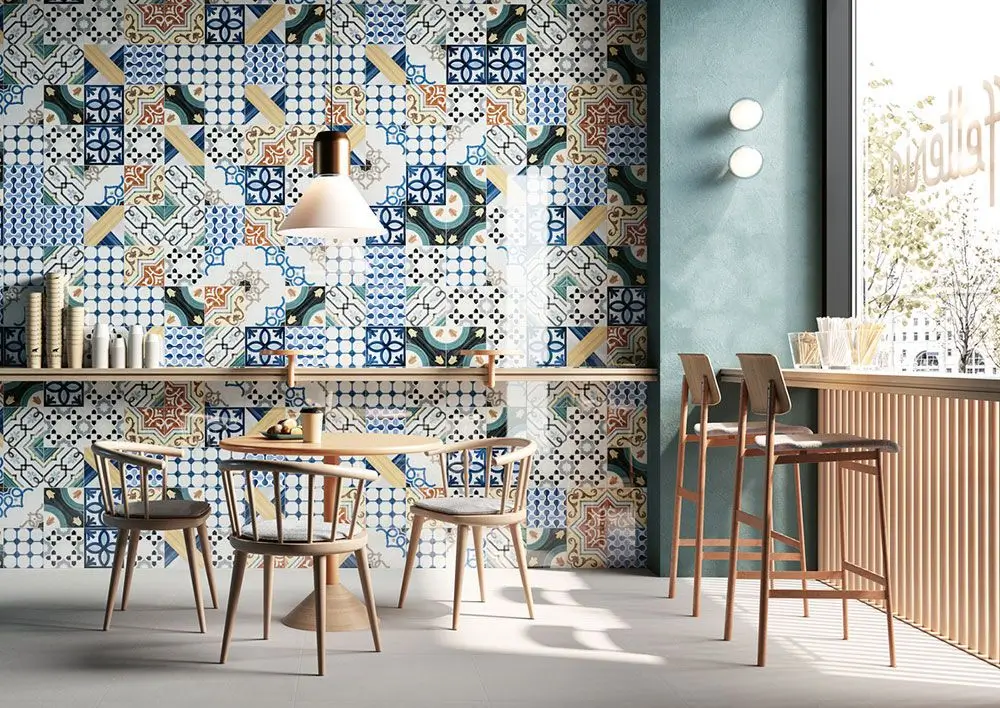
A decorative surface refers to the outer finishing layer applied to furniture, cabinetry, wall panels, doors, partitions, or other interior elements to improve their appearance and protect the underlying material. It serves both aesthetic and functional purposes by adding texture, color, patterns, and durability to interior spaces.
Decorative surfaces are available in numerous materials, including laminates, veneers, acrylic panels, decorative PVC sheets, textured panels, and engineered surface finishes. These materials allow designers to recreate the look of natural wood, marble, concrete, stone, fabric, or metallic finishes while offering enhanced durability and easier maintenance.
Unlike structural materials such as plywood or MDF, decorative surfaces primarily focus on enhancing the final appearance of an interior. When paired with high-quality substrates, they create elegant furniture and architectural features that suit a variety of design styles—from minimalist and contemporary to classic and luxurious.
A well-chosen decorative finish can dramatically improve both the appearance and functionality of a space. Modern decorative materials are designed to withstand everyday use while maintaining their beauty over time.
Enhances Visual Appeal
Decorative surfaces introduce texture, color, and depth to interiors. Whether you prefer natural wood grains, high-gloss finishes, or contemporary matte textures, they help create a refined and cohesive design.
Improves Durability
Premium decorative materials protect furniture and panels from scratches, stains, moisture, and daily wear. This makes them suitable for high-traffic residential and commercial environments.
Simplifies Maintenance
Many modern decorative finishes feature stain-resistant and easy-to-clean surfaces, reducing the time and effort required for regular maintenance.
Supports Long-Term Performance
Quality decorative surfaces maintain their appearance for years, reducing the need for frequent repairs or replacements and providing better value over time.
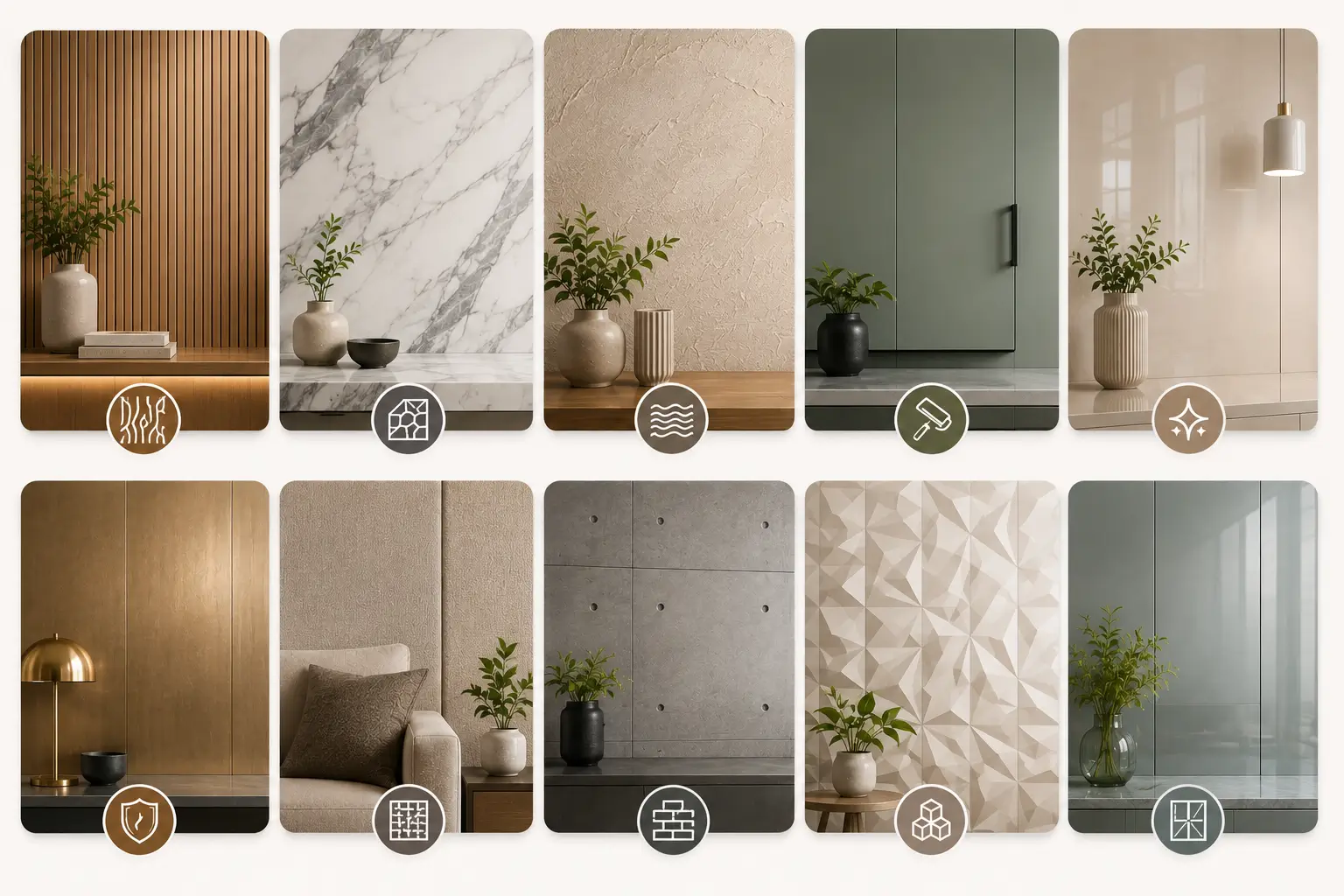
With continuous innovation in interior materials, there are numerous decorative surface options available to suit different applications, budgets, and design preferences. Understanding each type helps homeowners and designers make informed decisions.
High-Pressure Laminates (HPL) are among the most widely used decorative surface materials in residential and commercial interiors. Manufactured under high pressure and temperature, these laminates are known for their strength, durability, and attractive appearance.
They are available in a vast range of colors, wood grains, stone finishes, abstract patterns, and solid shades.
Common applications include:
Key benefits:
Decorative veneers are thin slices of natural wood bonded to engineered panels, offering the beauty of real timber without the high cost of solid wood.
Each veneer possesses unique grain patterns, making every installation distinctive. Veneers are often selected for luxury homes, premium hotels, executive offices, and upscale commercial spaces.
Ideal applications include:
Their timeless elegance makes veneers a favorite choice for sophisticated interior designs.
Acrylic decorative panels have gained immense popularity in contemporary interiors because of their ultra-glossy finish and sleek appearance. They create a luxurious, mirror-like effect that complements modern design themes.
Apart from their visual appeal, acrylic surfaces are highly resistant to moisture, UV exposure, and fading, making them suitable for kitchens and wardrobes.
Popular applications include:
Their reflective finish also helps make smaller spaces appear brighter and more spacious.
PVC decorative panels offer an excellent combination of affordability, durability, and moisture resistance. These lightweight panels are widely used for wall cladding, ceilings, and decorative partitions.
Available in wood textures, marble patterns, stone finishes, and contemporary designs, PVC panels provide a stylish alternative to traditional wall treatments.
Advantages include:
They are especially suitable for kitchens, bathrooms, utility rooms, and commercial interiors.
Decorative MDF (Medium Density Fiberboard) panels are widely used in contemporary interiors because of their smooth surface and excellent machining properties. These panels can be easily carved, routed, or CNC-cut into intricate patterns, making them ideal for decorative applications.
Designers often use MDF panels to create statement walls, room dividers, and customized furniture that add depth and character to a space.
Common applications include:
Decorative MDF panels offer a perfect balance of aesthetics, affordability, and design flexibility.
One of the greatest advantages of modern decorative materials is their versatility. A premium decorative surface can transform ordinary furniture into elegant design elements while improving durability and functionality.
Here are some of the most popular applications.
The kitchen is often considered the centerpiece of a modern home. Decorative laminates, acrylic finishes, and textured panels create elegant kitchen cabinets that are both attractive and practical.
Modern kitchen surfaces are designed to resist scratches, stains, moisture, and heat, ensuring long-lasting performance.
Popular kitchen applications include:
Wardrobes are no longer just storage units—they have become an integral part of bedroom aesthetics. Decorative laminates, veneers, and acrylic finishes allow homeowners to customize wardrobes according to their preferred design style.
Whether you prefer minimalist matte finishes or luxurious wood grains, decorative surfaces provide endless possibilities.
Popular wardrobe finishes include:
Modern TV units often serve as focal points in living rooms. Decorative surfaces help create sleek entertainment centers that combine style with functionality.
Popular design elements include:
Wood textures, stone-inspired finishes, and matte laminates are particularly popular for contemporary living spaces.
Feature walls have become one of the most popular interior design trends. Decorative wall panels add warmth, texture, and sophistication while serving as focal points within a room.
Common installation areas include:
A premium decorative surface used for wall paneling instantly elevates the visual appeal of any interior.
Modern offices require interiors that balance professionalism with creativity. Decorative surfaces are extensively used to create elegant workspaces that leave a lasting impression on employees and visitors alike.
Applications include:
Scratch-resistant and easy-to-maintain finishes are especially valuable in high-traffic office environments.
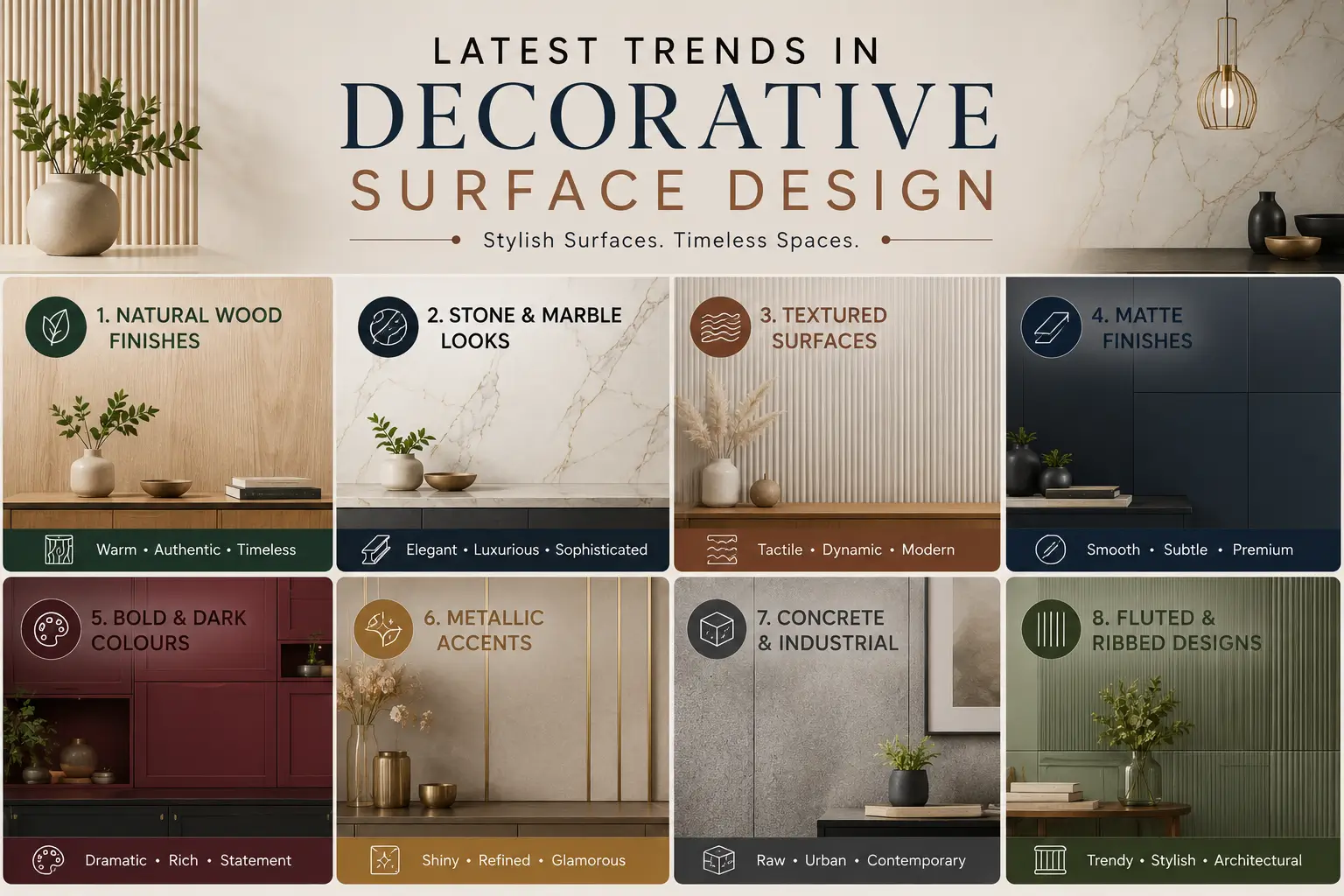
Interior design trends continue to evolve, and decorative surface materials are advancing alongside them. Today's homeowners and designers seek finishes that not only look sophisticated but also deliver durability, sustainability, and ease of maintenance.
Some of the most popular trends include:
These innovations allow designers to create interiors that are stylish, practical, and aligned with current design preferences.
Selecting the ideal decorative surface is about more than choosing an attractive finish. The right material should complement your design vision while offering the durability and performance required for its intended application. Here are some important factors to consider before making your decision.
Consider the Application
Different areas of a home or commercial space have unique requirements. For example, kitchen cabinets and bathroom vanities require moisture-resistant finishes, while wardrobes and living room furniture offer greater flexibility in material selection.
Evaluate Durability
Choose decorative surfaces that can withstand daily wear and tear. Scratch-resistant, stain-resistant, and impact-resistant finishes are particularly suitable for high-traffic areas such as kitchens, offices, and retail spaces.
Check Moisture Resistance
Spaces exposed to humidity or occasional water contact should use decorative materials specifically designed for moisture resistance. This helps maintain both appearance and structural integrity over time.
Match the Interior Theme
The decorative finish should complement the overall design style of your space.
For example:
Consider Maintenance Requirements
Some decorative materials require minimal upkeep, while others need periodic care to maintain their original appearance. Choose a finish that matches your lifestyle and maintenance preferences.
Prioritize Quality
Premium decorative surfaces may involve a slightly higher initial investment, but they offer better durability, color consistency, and long-term value compared to lower-quality alternatives.
Even the finest decorative materials may not deliver the desired results if they are selected or installed incorrectly. Avoid these common mistakes to ensure your interiors remain attractive and functional for years.
Choosing Appearance Over Performance
A beautiful finish should also meet practical requirements. Select materials based on where they will be installed rather than appearance alone.
Ignoring Moisture Conditions
Using standard decorative finishes in kitchens, bathrooms, or utility areas can reduce their lifespan. Always select products designed for humid environments.
Overlooking Maintenance
Certain finishes are easier to clean than others. Consider your maintenance expectations before finalizing the material.
Mixing Too Many Finishes
Using too many colors, textures, and patterns within one space can create visual clutter. A balanced combination of finishes results in a more elegant and cohesive interior.
When it comes to premium interior design, choosing reliable materials is just as important as selecting the right design concept. Suntek Ply offers high-quality decorative surface solutions that combine style, durability, and functionality for both residential and commercial interiors.
Manufactured with advanced technology and stringent quality standards, Suntek Ply's decorative products are designed to meet the expectations of architects, interior designers, furniture manufacturers, and homeowners alike.
Wide Range of Designs
Suntek Ply offers an extensive selection of colors, wood grains, textures, and contemporary finishes that suit a variety of interior styles—from modern minimalist homes to luxurious commercial spaces.
Superior Durability
Its decorative surfaces are engineered to withstand everyday wear, helping furniture and interior elements maintain their appearance for years.
Premium Finish Quality
High-quality decorative materials provide smooth, consistent finishes that enhance the beauty of cabinetry, wardrobes, wall panels, office furniture, and more.
Suitable for Multiple Applications
Suntek Ply decorative solutions can be used across numerous interior applications, including:
Choosing premium decorative materials from a trusted brand ensures interiors that are visually appealing, durable, and built to stand the test of time.
Decorative surface For Interior Design
The right decorative surface has the power to transform any interior into a sophisticated, functional, and long-lasting space. Whether you're designing a luxurious residence, a modern workspace, or a stylish retail environment, selecting high-quality decorative materials enhances both aesthetics and performance.
From elegant laminates and natural veneers to acrylic panels and textured finishes, today's decorative surface solutions offer endless possibilities for creating unique interior designs. By choosing materials that align with your design vision, usage requirements, and maintenance expectations, you can achieve interiors that remain beautiful for years.
A decorative surface is the visible finishing layer applied to furniture, walls, cabinets, doors, or panels to enhance appearance while providing protection against daily wear, moisture, and scratches.
High-pressure laminates (HPL) and acrylic surfaces are among the most popular choices for modular kitchens because they offer excellent durability, moisture resistance, and ease of maintenance.
Laminate is a manufactured decorative finish available in various colors and textures, while veneer is made from thin slices of natural wood that showcase authentic wood grain patterns.
High-pressure laminates and acrylic finishes generally require minimal maintenance. Regular cleaning with a soft cloth is usually sufficient to keep them looking new.
Yes. Moisture-resistant decorative materials designed for humid environments can be used on bathroom vanity units, cabinets, and wall applications when installed correctly.