
ASA and acrylic surfaces can look similar in a small sample, yet they may perform very differently after installation. Sunlight, humidity, heat, impact, and daily cleaning can all affect the finish. Your choice may also influence maintenance needs, service life, and the total cost of a project.
This guide compares ASA vs acrylic laminates by composition, appearance, durability, applications, and cost. Keep in mind that results vary by product grade. Surface thickness, substrate quality, adhesive, edge sealing, and workmanship are just as important as the material name.
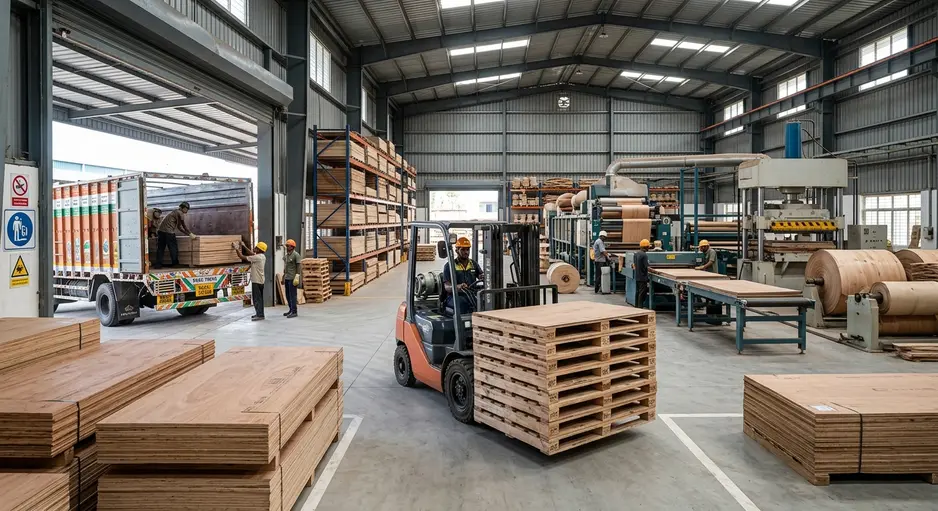
ASA stands for acrylonitrile styrene acrylate. It is a thermoplastic used as a decorative and protective surface on suitable boards and panels. It is widely valued for its ability to cope with sunlight, changing weather, and everyday knocks.
Common ASA laminate benefits include weather resistance, UV stability, colour retention, and impact resistance. These qualities can make the material useful in demanding interiors and some exposed environments.
However, an ASA surface is not automatically approved for outdoor use. Buyers should confirm the product grade, recommended substrate, installation method, test results, and warranty before specifying it for an exterior project.
An acrylic laminate is a decorative sheet or film commonly made with PMMA. It is popular for modern indoor cabinetry because it can create a smooth finish with rich colour depth.
Key acrylic laminate benefits include high surface gloss, easy routine cleaning, and a premium visual effect. Although acrylic is best known for its glass-like sheen, matte and modified finishes are also available.
Not necessarily. ASA and acrylic are thermoplastic decorative surfaces, while traditional high-pressure laminate has a different layered construction. Product names and manufacturing methods vary. Always check the composition, thickness, backing, core, and technical data instead of relying only on the label.

Long-term sunlight can cause fading, chalking, colour shifts, or loss of gloss. ASA’s polymer structure is generally associated with good outdoor weatherability. This makes tested grades useful where prolonged exposure is expected.
Quality acrylic can also offer good UV resistance, especially indoors. Yet direct-sunlight performance varies by formulation and colour. Neither material should be called permanently fade-proof. Ask for accelerated weathering results and a written warranty for the intended application.
Acrylic is often preferred when a mirror-like decorative surface finish is required. Its colour depth works well in contemporary kitchens, wardrobes, reception areas, and display furniture. Dark gloss shades may show fingerprints, dust, and small marks more easily.
ASA offers a wider design choice in some product ranges, including matte, satin, textured, and gloss options. A low-sheen finish may be more practical for frequently touched surfaces because marks tend to be less visible.
Impact resistance and scratch resistance are not the same. A surface may handle a knock without cracking but still show marks from abrasive contact. ASA laminate durability is often linked to its ability to cope with impact and demanding conditions, although thickness and backing affect the result.
Acrylic laminate durability also depends on its coating and construction. Its hard, smooth face can perform well in normal indoor use, but sharp objects and abrasive pads may leave visible marks. Test samples and review abrasion data when selecting material for desks or counters.
Both surfaces can handle routine cleaning, grease, and normal indoor humidity when installed correctly. Their chemical resistance depends on the formulation. Use mild, approved cleaners and avoid strong solvents unless the manufacturer allows them.
Neither finish should touch hot cookware or sit too close to unshielded high-temperature appliances. Heat shields are advisable near ovens and hobs. Around sinks and dishwashers, sealed edges and a suitable substrate are vital for moisture protection.
Expected life depends on surface quality, substrate stability, adhesive, edge banding, exposure, cleaning, and installation. Documented tests are more useful than a broad lifespan claim. A premium face cannot correct a weak core or poorly sealed joint.
When comparing ASA vs acrylic laminates for kitchen cabinets, acrylic often suits premium, glossy shutters. ASA may be considered when matte texture, impact performance, or stronger colour retention is the priority.
A practical design may use acrylic on upper shutters for reflective gloss and a durable matte surface on heavily handled lower cabinets. In either case, use a suitable core, seal the edges, and protect panels near heat and water.
For ASA vs acrylic laminates for wardrobes, acrylic provides a polished look that works well in modern bedrooms. ASA may be helpful in rooms receiving strong sunlight or where a resilient, low-maintenance finish is preferred. Door size, panel flatness, fingerprints, and handle design should also guide the choice.
The decision between ASA vs acrylic laminates for furniture depends on how the item is used. Acrylic suits entertainment units, shelves, and display furniture. ASA laminate applications may include desks, utility units, and impact-prone areas.
Horizontal surfaces usually face more abrasion than vertical shutters. For ASA vs acrylic laminates for interior surfaces, assess traffic, cleaning frequency, sunlight, and lighting before focusing on appearance.
ASA and acrylic laminates for commercial projects may be used in retail displays, offices, clinics, hospitality furniture, and institutional interiors. Buyers should request fire documentation where required, chemical-resistance data, batch consistency details, cleaning instructions, warranty terms, and information about future replacement availability.
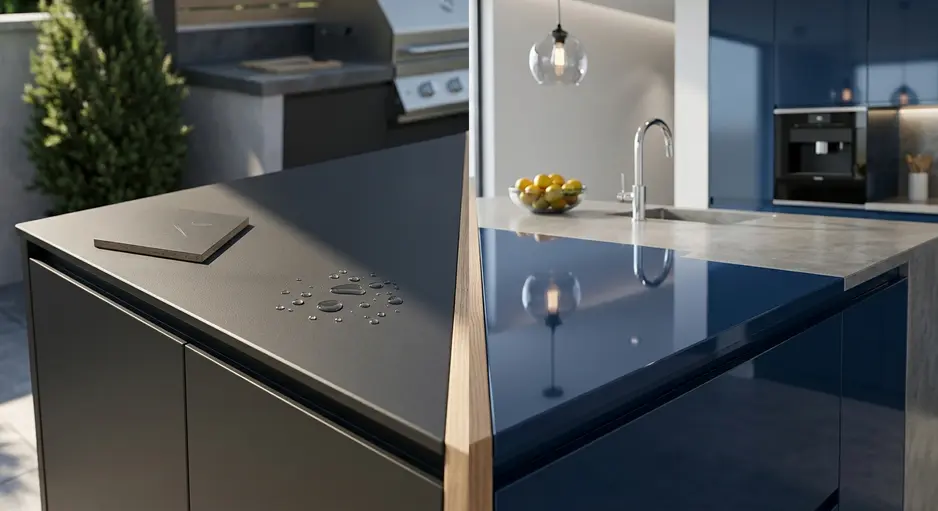
ASA may be suitable outdoors only when the complete panel system is approved for exterior use. A weather-resistant face does not make an interior board, adhesive, or exposed edge weatherproof.
Possible exterior ASA laminate applications include approved cladding components, signage, terrace cabinetry, utility structures, and outdoor furniture parts. Before installation, verify:
There is no fixed answer. Prices change with location, brand, surface thickness, finish, order size, substrate, and fabrication. Premium high-gloss acrylic may carry a higher decorative cost. An exterior-rated ASA system may cost more than a basic interior sheet because it has specialised performance needs.
For a fair ASA laminate vs acrylic laminate price comparison, request quotes with the same sheet size, thickness, core, edge treatment, and installation scope.
Total project cost = material + substrate + edge banding + fabrication + installation + maintenance + expected replacement
Ask whether the quote covers a surface sheet or a finished panel. Also check minimum order quantities, matching edge bands, warranties, test reports, and future colour availability. This gives a more useful view of cost-effectiveness than the sheet price alone.
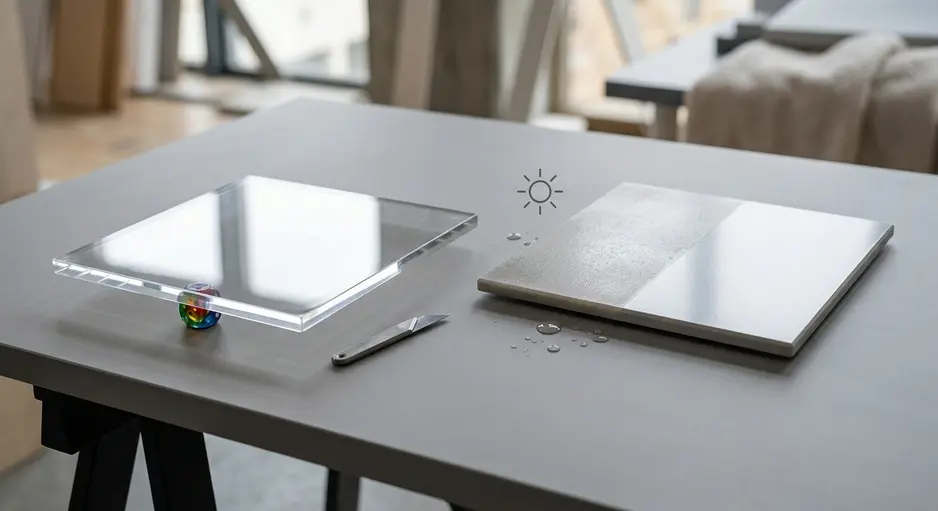
When choosing between ASA and acrylic laminates, do not judge by appearance alone. Request a fabricated sample showing the face, core, and edge. For larger projects, a small mock-up can reveal issues before full installation. Suntek Ply can also be consulted when comparing suitable substrates, finishes, and project requirements.
In the ASA vs acrylic laminates decision, ASA is generally considered when verified weathering performance, impact resistance, and demanding use matter most. Acrylic is often chosen for rich colour, premium gloss, and contemporary indoor cabinetry.
Product grade and complete panel construction matter more than the material name alone. Planning a kitchen, wardrobe, furniture, or commercial interior project? Speak with the Suntek Ply team to compare suitable substrates, decorative surfaces, edge treatments, and installation requirements.
ASA may be better for tested weather exposure, impact resistance, and demanding environments. Acrylic may be better when premium gloss and indoor visual appeal are the priorities. The right answer depends on grade, core, installation, and use conditions.
Acrylic is popular for glossy kitchen shutters. ASA can suit durable matte designs or areas receiving stronger sunlight. Both need an appropriate substrate, sealed edges, careful cleaning, and protection from direct heat.
Quality acrylic may provide good UV stability, but prolonged sunlight can affect some colours and finishes. Review product-specific test data and warranty terms before using it near large windows or other sun-exposed areas.
No finished panel should be assumed to be waterproof based only on its surface. Water may enter through cut-outs, joints, damaged areas, or unsealed edges and harm the underlying board.
Scratch performance depends on the coating, texture, thickness, and grade. Fine scratches can be easier to see on dark high-gloss acrylic. Compare abrasion data and test a sample with realistic use in mind.