
Decorative sheets shape how furniture and interiors look, feel, and perform. The right surface can make a cabinet easier to clean, give a wardrobe a natural wood grain finish, or add a premium touch to an office. Yet appearance is only one part of the buying decision.
The best decorative sheet manufacturer in India should offer suitable materials, consistent finishes, clear technical details, reliable supply, and responsive support. This guide explains how to compare decorative laminate sheets, select finishes, assess performance, and evaluate a decorative sheet supplier in India. Suntek Ply is one option buyers can assess by requesting current product details, samples, and supply information.
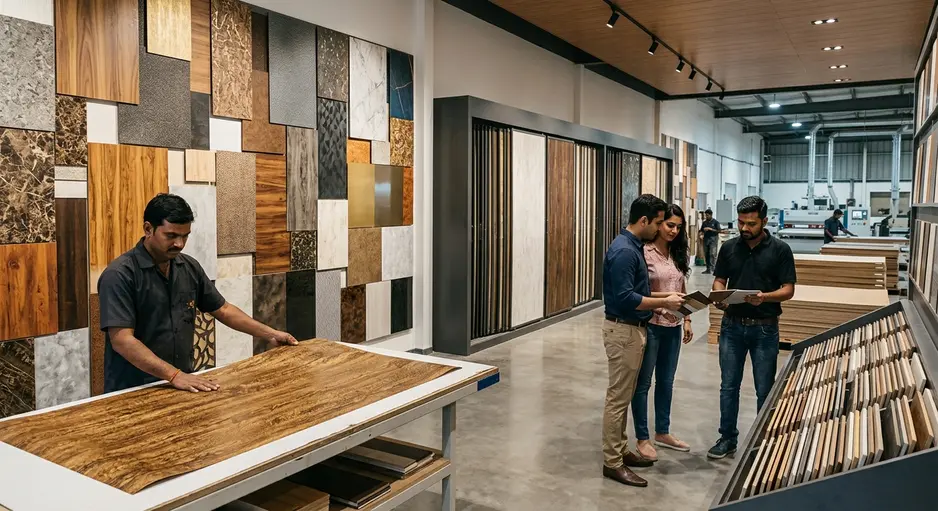
Decorative surface sheets are engineered materials used over plywood, MDF, particleboard, and other compatible substrates. They add colour, pattern, texture, and a protective finish. The final performance depends on the surface material, base board, adhesive, fabrication, and edge treatment.
Common interior design applications include wardrobes, kitchen cabinets, study tables, office desks, wall panels, retail displays, reception counters, and hotel furniture. Buyers can choose from solid colours, wood patterns, stone effects, fabric-inspired textures, and matte and glossy finishes.
High pressure decorative sheets, often called HPL, are made by pressing layers under controlled heat and pressure. They are widely considered for furniture and interior surfaces that face regular use. Their main benefits include design variety, easy maintenance, and resistance to common stains and wear, subject to the selected grade.
Before ordering, ask for the relevant technical data. Where applicable, buyers may check product information against standards such as IS 2046, ISO 4586, or EN 438. The applicable standard and edition should be confirmed for the exact product.
No material is automatically right for every project. Thickness, construction, substrate quality, installation, and maintenance all affect the finished result.
Best suited for: Kitchens, wardrobes, offices, shops, and frequently used furniture.
Key strengths: Versatile designs, practical maintenance, and good everyday durability.
Check: Grade, thickness, abrasion data, heat limits, and intended application.
Best suited for: Cost-sensitive furniture and moderate-use areas.
Key strengths: Economical and available as a ready-finished surface.
Check: Substrate quality, edge protection, and suitability for humid spaces.
Best suited for: Decorative panels and selected furniture applications.
Key strengths: Flexible, lightweight, and offered in many visual styles.
Check: Heat limits, adhesive choice, and fabrication method.
Best suited for: Premium cabinets and contemporary interiors.
Key strengths: Visual depth and high-gloss or modern matte effects.
Check: Fingerprint visibility, scratch care, edge finish, and maintenance.
Best suited for: Wardrobes, wall panels, cabinets, and office furniture.
Key strengths: Natural-looking furniture surface finishes with added visual depth.
Check: Pattern repeat, texture consistency, and cleaning requirements.
A tested laminate grade is often a practical decorative sheet for furniture that receives daily use. Cabinet shutters also need a stable base, suitable adhesive, accurate pressing, and sealed edges. Without correct fabrication, even a good surface may lift, warp, or allow moisture to reach the substrate.
Wood patterns add warmth to wardrobes and living spaces. Stone finish decorative surfaces create a bold look on counters, panels, and reception areas. Solid colours work well in modern kitchens, while textile-inspired patterns can soften office and hospitality interiors.
Matte surfaces reduce glare and may make fingerprints less noticeable. Glossy sheets reflect more light and can create a bright, premium appearance, but marks may be easier to see. Dark gloss surfaces often need more frequent cleaning.
Always review physical samples under the lighting used in the project. Screen colours, gloss levels, and textures may differ from the actual sheet.
A dependable decorative sheet manufacturer should be able to provide clear product information. Do not rely only on catalogue descriptions. Ask for documents that relate to the exact grade you plan to purchase.
Remember that scratch resistant decorative sheets are not scratch-proof. In the same way, a moisture resistant decorative surface is not always waterproof. Edges, joints, cut-outs, adhesives, and the underlying board can remain vulnerable.
Compare solid colours, wood, stone, fabric, and metallic effects. Review textured, embossed, glossy, and matte choices. More importantly, ask whether colour and texture remain consistent between the approved sample and bulk delivery.
For large projects, confirm whether sheets can be supplied from the same production batch. Also check the availability of matching edge bands or suitable complementary finishes.
A reliable decorative sheet supplier should state lead times, minimum order requirements, packing methods, and delivery coverage. For repeat projects, batch traceability and replacement availability are valuable.
Ask how complaints are recorded and resolved. Clear communication is especially important when sheets are required for phased furniture production or projects in several locations.
When buying through decorative sheet dealers, confirm that the product is genuine and properly invoiced. Check local stock, sample availability, delivery time, and the process for reporting damaged material.
A decorative sheet distributor in India should also be able to explain current availability and order timelines. Overseas buyers evaluating a decorative sheet exporter should ask about secure packaging, export documents, repeat-order consistency, minimum quantities, and destination support.
Abrasion resistance relates to wear caused by repeated rubbing. Scratch resistance concerns marks from sharp or rough objects. These properties are connected, but they are not identical. Review test data and try a spare sample under realistic use conditions.
Patterned or textured surfaces may hide light marks better than dark, plain, high-gloss finishes. Cutting should still take place on a board rather than directly on the surface.
Surface resistance alone cannot protect exposed MDF, particleboard, plywood edges, or poorly sealed joints. Kitchens and humid spaces need compatible substrates, suitable adhesives, sealed cut-outs, and correct edge finishing.
Ask the supplier to define what “moisture resistant” means for the selected product. Avoid assuming that all decorative sheets can withstand standing water or outdoor exposure.
Heat performance varies among HPL, acrylic, PVC, and melamine surfaces. Review the recommended temperature limits for the exact grade. Use trivets or heat barriers near hot cookware and appliances, even when a product is sold as a heat resistant decorative material.
Choose surfaces that suit the expected stains and cleaning routine. Use a soft cloth and a cleaner approved by the supplier. Abrasive pads and strong chemicals may change the gloss, colour, or texture.
For projects with indoor-air-quality requirements, ask for relevant emission or environmental documentation. Any certification should match the product being supplied rather than a different range from the same company.
A family kitchen may use easy-clean laminate on frequently touched lower cabinets. Acrylic can be added to selected upper shutters when a premium visual effect is desired. The final choice should account for cooking heat, spills, cleaning frequency, and sunlight.
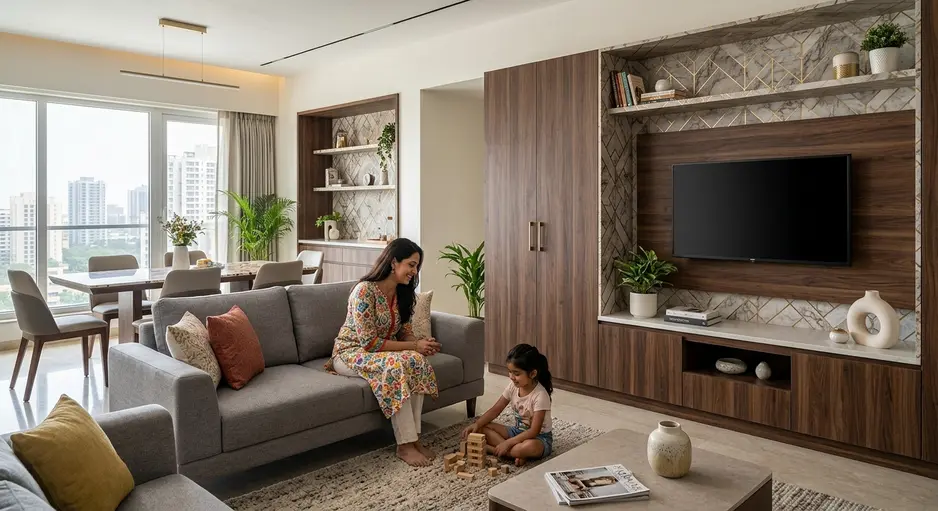
Decorative sheets for furniture and cabinets can also be used on wardrobes, TV units, study tables, storage furniture, and wall cladding. Each application needs the right substrate and fabrication method.
A retail store may need abrasion-resistant surfaces for billing counters and display fixtures. A wood grain finish or stone pattern can then support the store’s visual identity. Offices, hotels, restaurants, clinics, and educational spaces may have different hygiene, wear, and maintenance needs.
When selecting a decorative sheet for commercial interiors, also check any project-specific fire, emission, or cleaning requirements. Do not assume that a residential-grade product will meet a commercial specification.
Suntek Ply can be included when comparing suppliers for a furniture or interior project. Since collections, sizes, finishes, and availability can change, buyers should confirm current details directly through the company’s website and sales team before specifying a product.
Request information for the exact application rather than relying on a broad product description. This helps the supplier suggest an appropriate surface, base material, and fabrication approach.
Buyers should also request verified details about manufacturing, quality checks, certifications, distribution, and export support where these factors affect the order. Comparing written specifications with approved samples makes the selection process more reliable.

View each sample in the project’s actual lighting. Compare texture, gloss, fingerprints, and colour coordination. Test an approved cleaning method on a spare piece. Architects, clients, and fabricators should approve the same reference sample before bulk ordering.
Calculate the required quantity with a reasonable cutting and wastage allowance. Order visible or connected areas from the same batch where possible. Keep invoices, labels, and batch details for traceability, and retain spare material for future repairs.
Use a clean, stable, and compatible substrate. Follow the recommended adhesive, pressing, and curing instructions. Seal edges and cut-outs carefully. Premium acrylic and high-gloss finishes are best handled by trained fabricators who understand surface protection and edge finishing.
Clean with a soft cloth and approved cleaner. Wipe spills promptly. Avoid abrasive pads, sharp objects, and unapproved chemicals. Use heat barriers near hot items and follow the care instructions supplied with the selected product.
Decorative Sheet Manufacturer and Supplier in India
The best decorative surface is the one that fits the application, usage level, design brief, and budget. Focus on five points: tested performance, a suitable material type, consistent colour and finish, dependable availability, and responsive manufacturer or supplier support.
Compare physical samples and written specifications before making a bulk purchase. Confirm the substrate, adhesive, installation method, and care routine as part of the same decision. To evaluate Suntek Ply for your project, request its latest catalogue, samples, technical information, dealer details, and delivery guidance directly from the company.
HPL is often considered for frequently used cabinets because it offers practical everyday performance and varied designs. Acrylic may suit kitchens where premium gloss is the main goal. In both cases, use a suitable substrate, seal the edges, and follow the manufacturer’s specifications.
They should not automatically be described as waterproof. A sheet may resist surface moisture, while exposed edges, joints, adhesives, and the base board remain vulnerable. Ask for test information and protect all edges and cut-outs from water entry.
HPL generally offers broad design choice and robust everyday use. Acrylic is chosen for visual depth and premium gloss or matte effects. Compare scratch visibility, heat performance, cleaning needs, edge finishing, fabrication skill, and overall project cost before choosing.
Yes, if the selected grade matches the use. Retail counters, office furniture, restaurant fixtures, and hotel interiors often need durable, easy-clean surfaces. Verify relevant fire, hygiene, emission, impact, and maintenance requirements for the specific project.
Custom colours, textures, dimensions, or private labelling may depend on the supplier and order volume. Ask about sampling costs, minimum quantities, production time, repeatability, test requirements, packaging, and export documents before approving a custom order.
